
Food
Food packaging
Packaging and POS solutions for food products

Food packaging must provide reliable protection for products, be processed efficiently and be appealing to retailers. At the same time, requirements regarding recyclability, material usage, product variety and food contact are increasing.
The STI Group develops and manufactures packaging solutions made from cardboard and corrugated board for a variety of food applications. These include folding boxes, shelf and transport packaging, trays, inlays and POS solutions. Together, we will assess which design, material quality and functionality are best suited to your product, your packaging process and the relevant distribution channel.
Tasks
What food packaging needs to do

Product protection tailored to the application
Whether dry, moist, oily, chilled or frozen: the material, design and any necessary barrier are tailored to the foodstuff, the contact time, the temperature, and the storage and transport conditions.

Efficient packaging processes
We take into account the processes of forming, filling, sealing and further processing right from the development stage. This results in packaging that can be integrated into both manual and automated processes.

Less material for a specified output
We analyse dimensions, material qualities, designs and shaft profiles. The aim is not to produce the lightest packaging, but to use the minimum possible amount of material whilst ensuring optimum product protection and stable processes.

Recyclability and reduction in plastic use
Depending on the application, we assess fibre-based structures, optimised material combinations and barrier properties. Barrier solutions must always be evaluated in relation to the product, the packaging design and the conditions of use.

Efficient in logistics and retail
Stackability, pallet utilisation, handling and rapid stocking are all part of our development process. Shelf-ready packaging can combine efficient logistics with an attractive product presentation, whilst corrugated cardboard packaging for e-commerce ensures a high-quality unboxing experience.

Brand impact at the point of sale
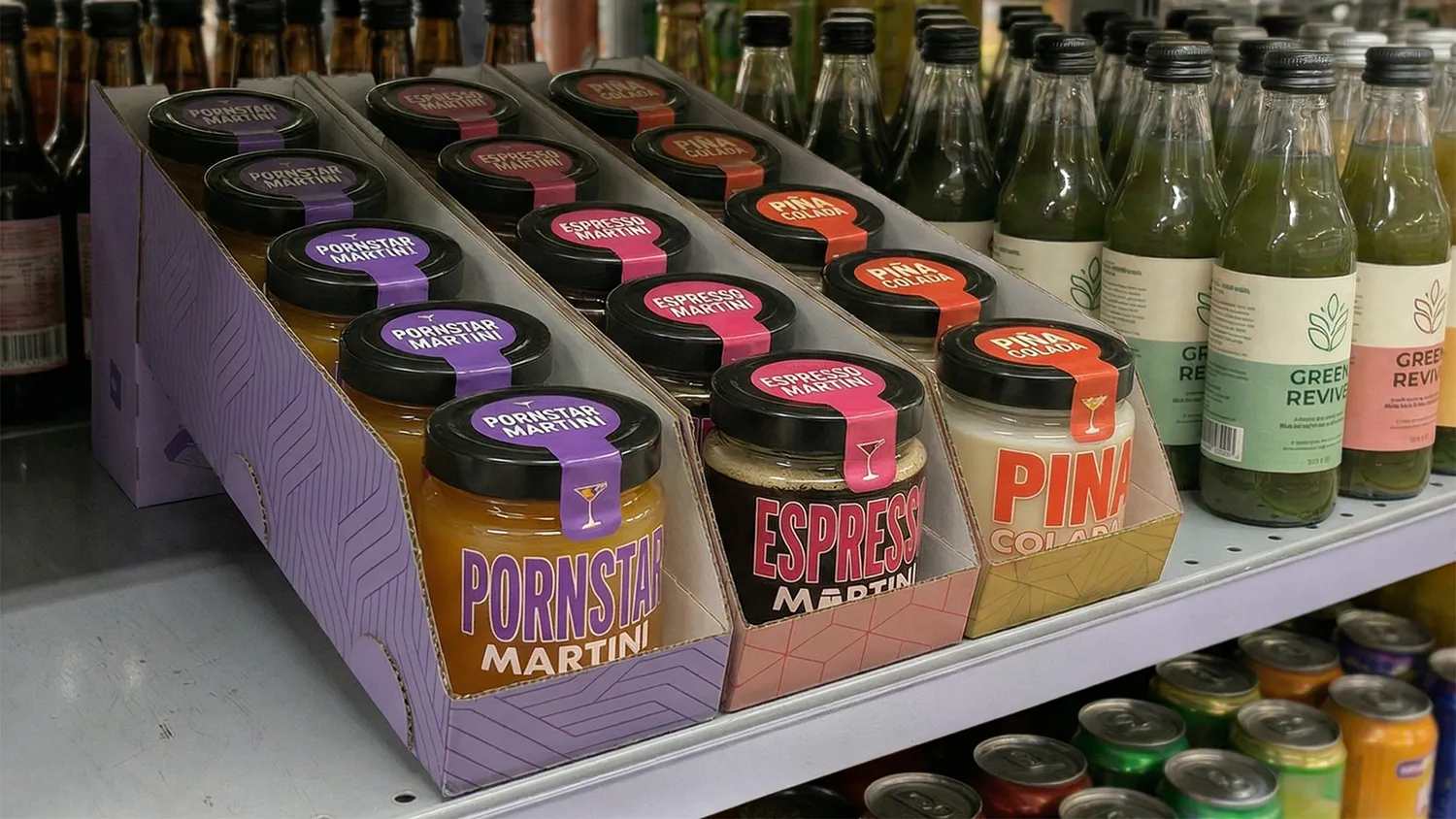
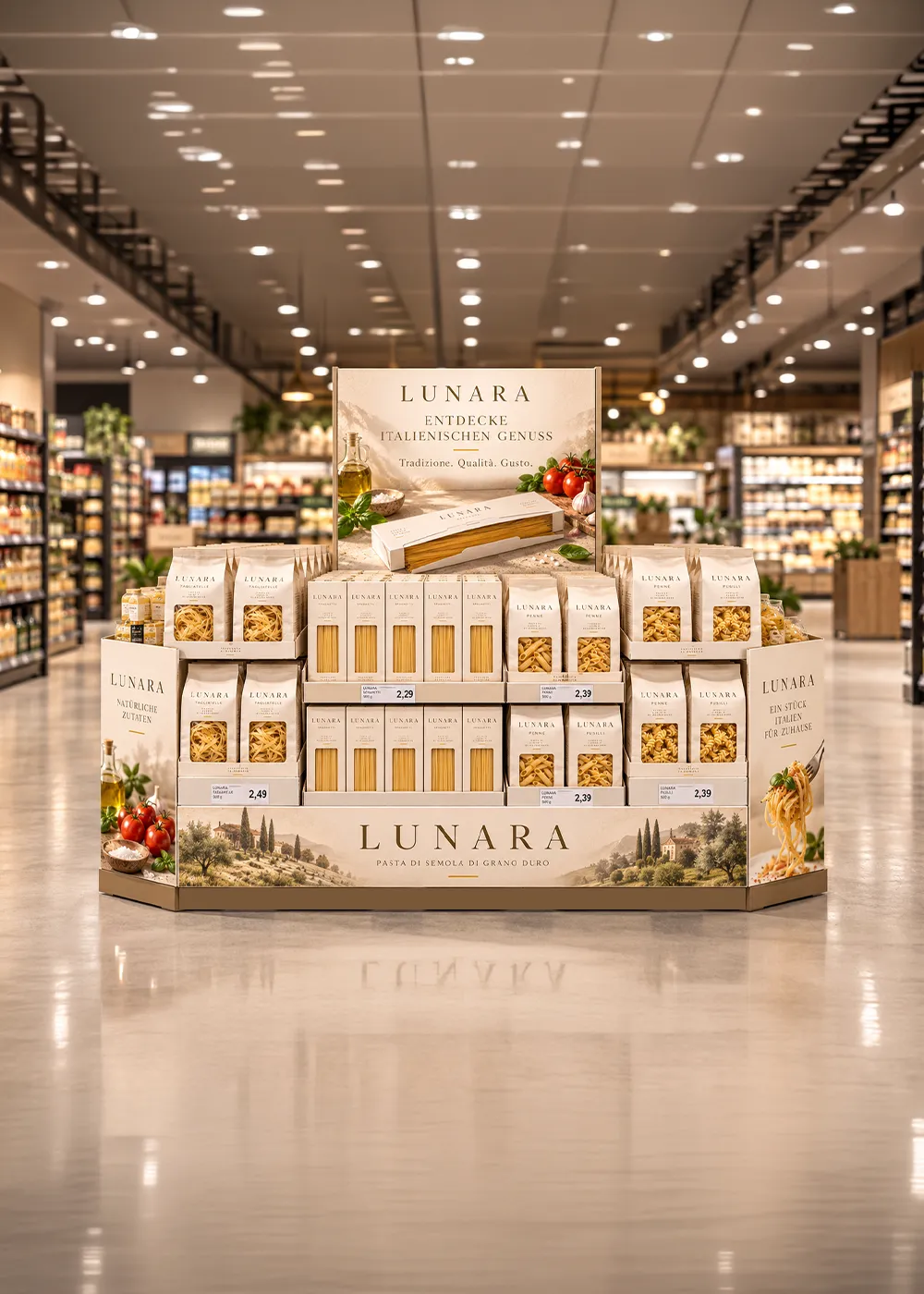
Whether it’s a product launch, a limited edition or a seasonal promotion: an eye-catching display puts food products right in the spotlight where purchasing decisions are made. Pallet decorations, die-cut figures and decorative items encourage impulse purchases at the point of sale.

Increasing demands regarding recyclability, labelling and regulatory requirements are making packaging decisions more complex. Our white paper on regulatory matters and the PPWR, together with the Future-Ready checklist, will provide you with practical guidance on your next steps.
A systematic approach to food packaging
Why leading food brands place their trust in the STI Group
- Packaging design, printing and production, all from a single source
- Producing a wide variety of print designs and packaging options efficiently and reliably
- In-house pre-press for maximum flexibility in print data optimisation and production preparation
- Food packaging with certified material and barrier properties
- Quality assurance through in-house laboratory and performance tests
- Hygienically safe production sites for food packaging
- Solutions for manual and automated packaging processes, designed for seamless integration into existing packaging lines
Insights
Our Insights bring together specialist knowledge, the latest developments and forward-looking ideas relating to packaging, markets and trends – ranging from specific ‘NOW’ topics to ‘NEXT’ ideas that provide guidance for the challenges ahead.
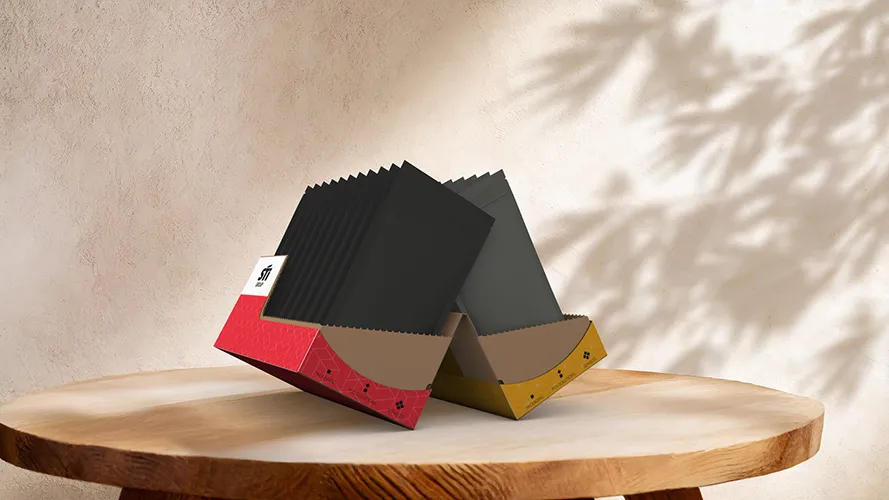
Shelf-ready packaging: more products per pallet
NEXT: Duo-Break with two trays in an SRP solution
References
Discover a selection of the STI Group’s client case studies and find out how individual requirements are transformed into concrete packaging solutions that deliver measurable added value.
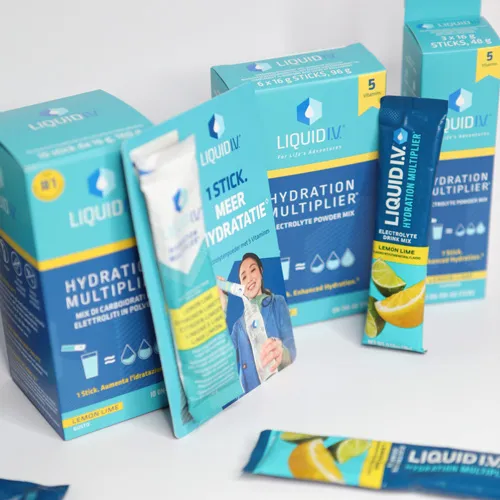
Omnichannel packaging for a strong brand presence
Impulse purchases at the point of sale
Greater visibility. More impulse purchases.
When it comes to food products, the role of packaging goes beyond product protection and logistics. In supermarkets, discounters or convenience stores, the decision to buy is often made at first glance. New products must attract attention, encourage impulse purchases and stand out from the competition. Product launches, limited editions and new additions to the range require flexible packaging and POS concepts that raise brand visibility and motivate consumers to try new products. At the same time, seasonal occasions such as Easter, Christmas, the barbecue season and the football season lead to recurring sales promotions, which create additional purchasing incentives through eye-catching secondary placements and promotional displays.
To this end, the STI Group develops displays, floor stands, POS decorations and pallet displays made from cardboard and corrugated cardboard, which cleverly combine product presentation with a packaging function. Long-term displays ensure a permanent presence in retail outlets and can be flexibly adapted to include new product ranges or seasonal highlights.
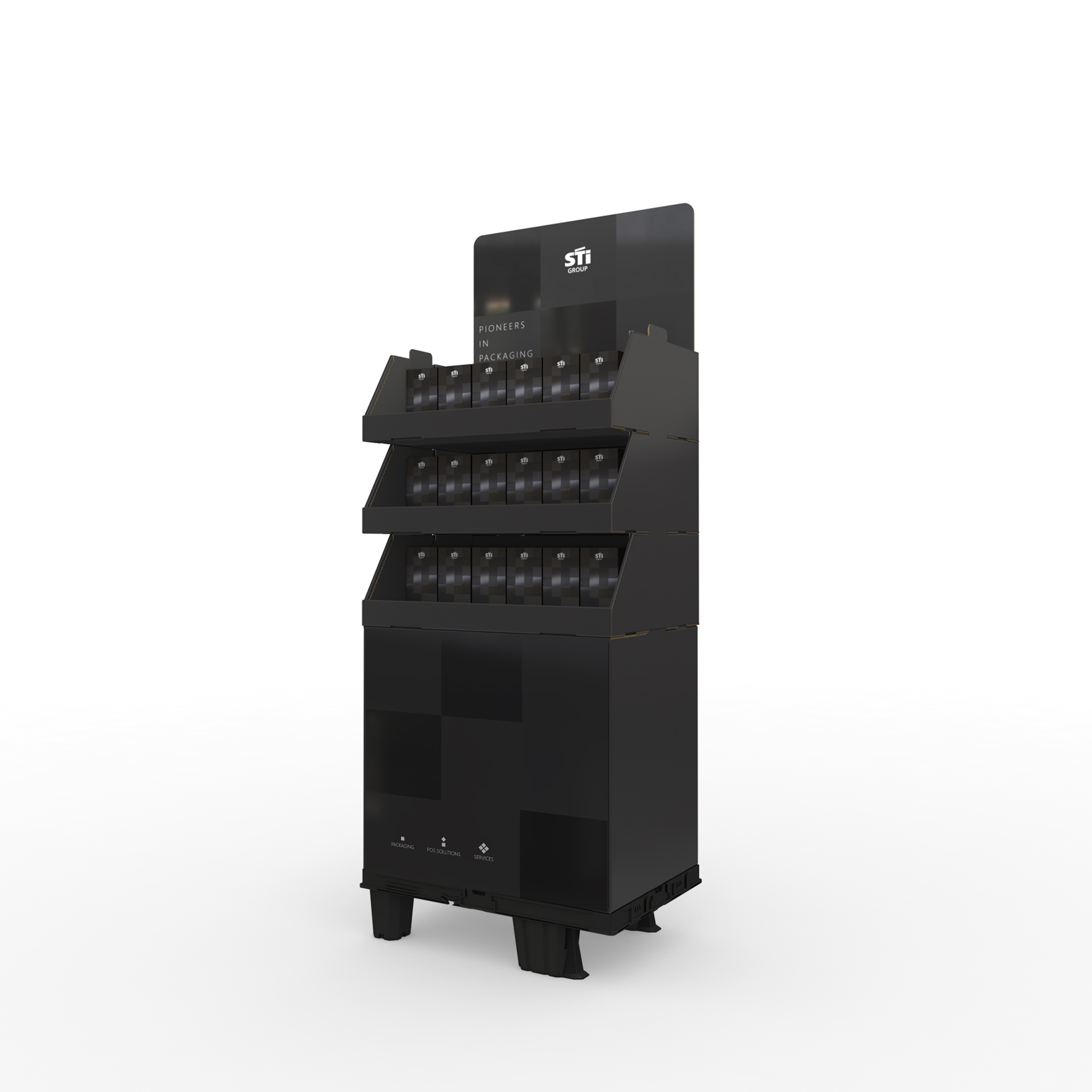
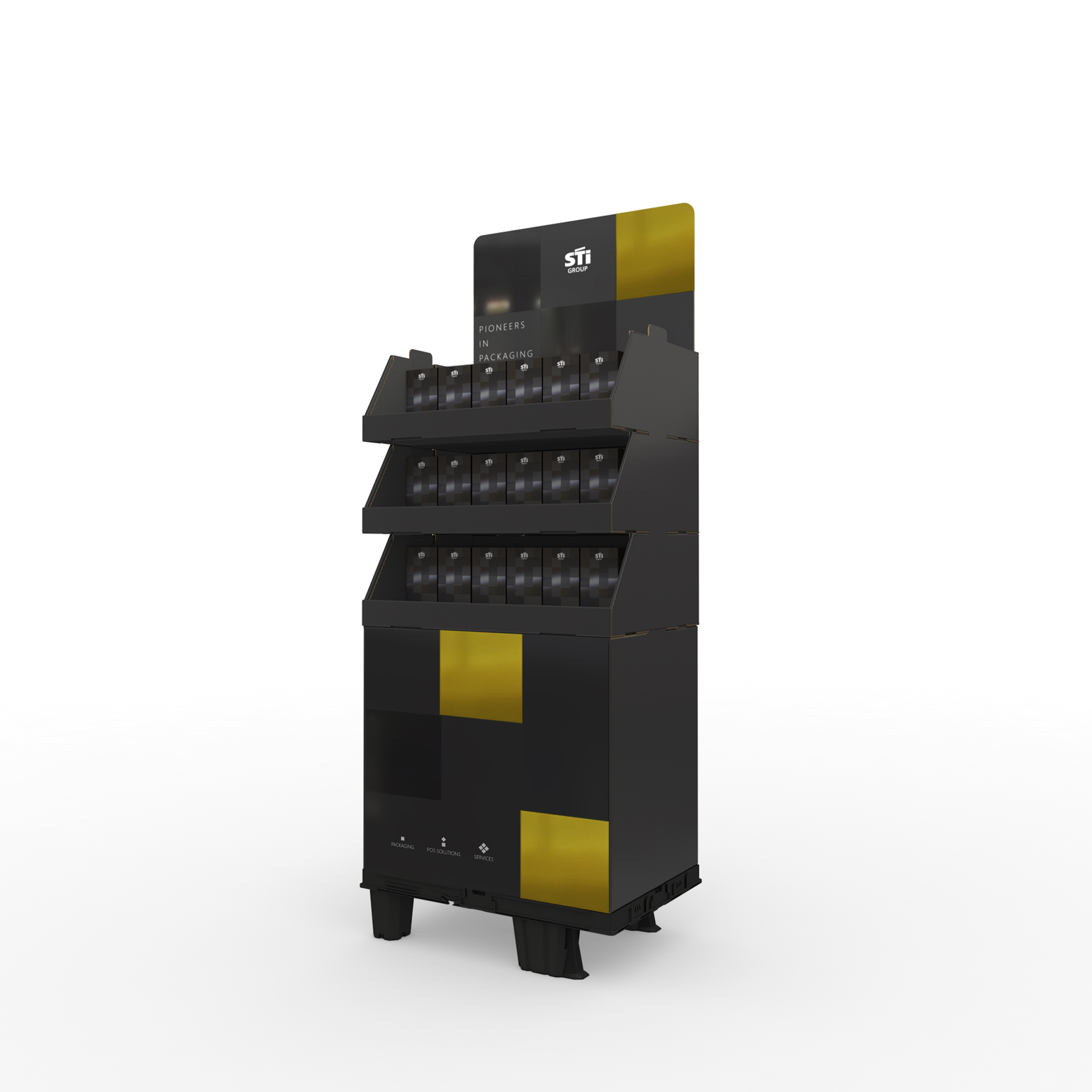
Corrugated cardboard display filled


Flat-pack corrugated cardboard display
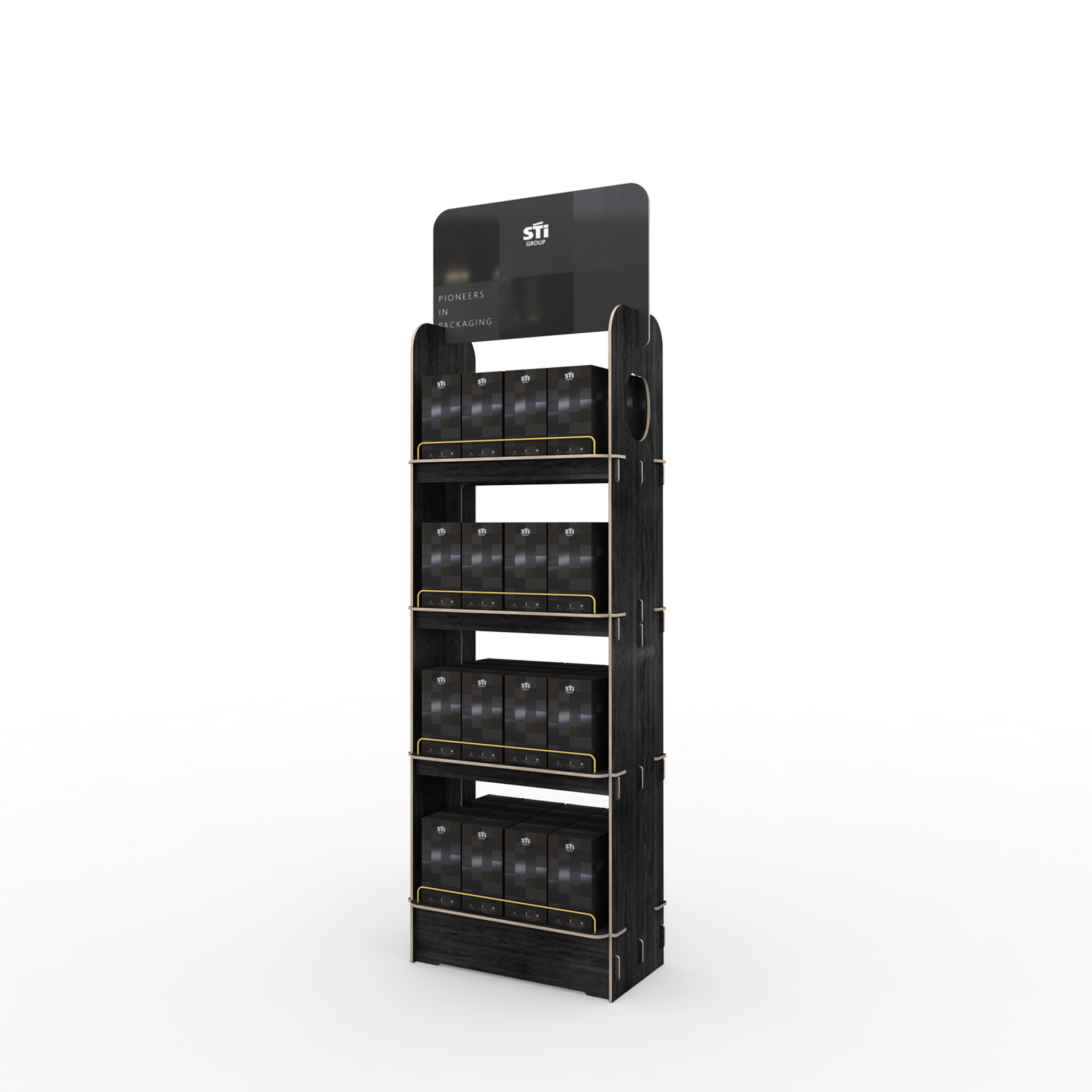
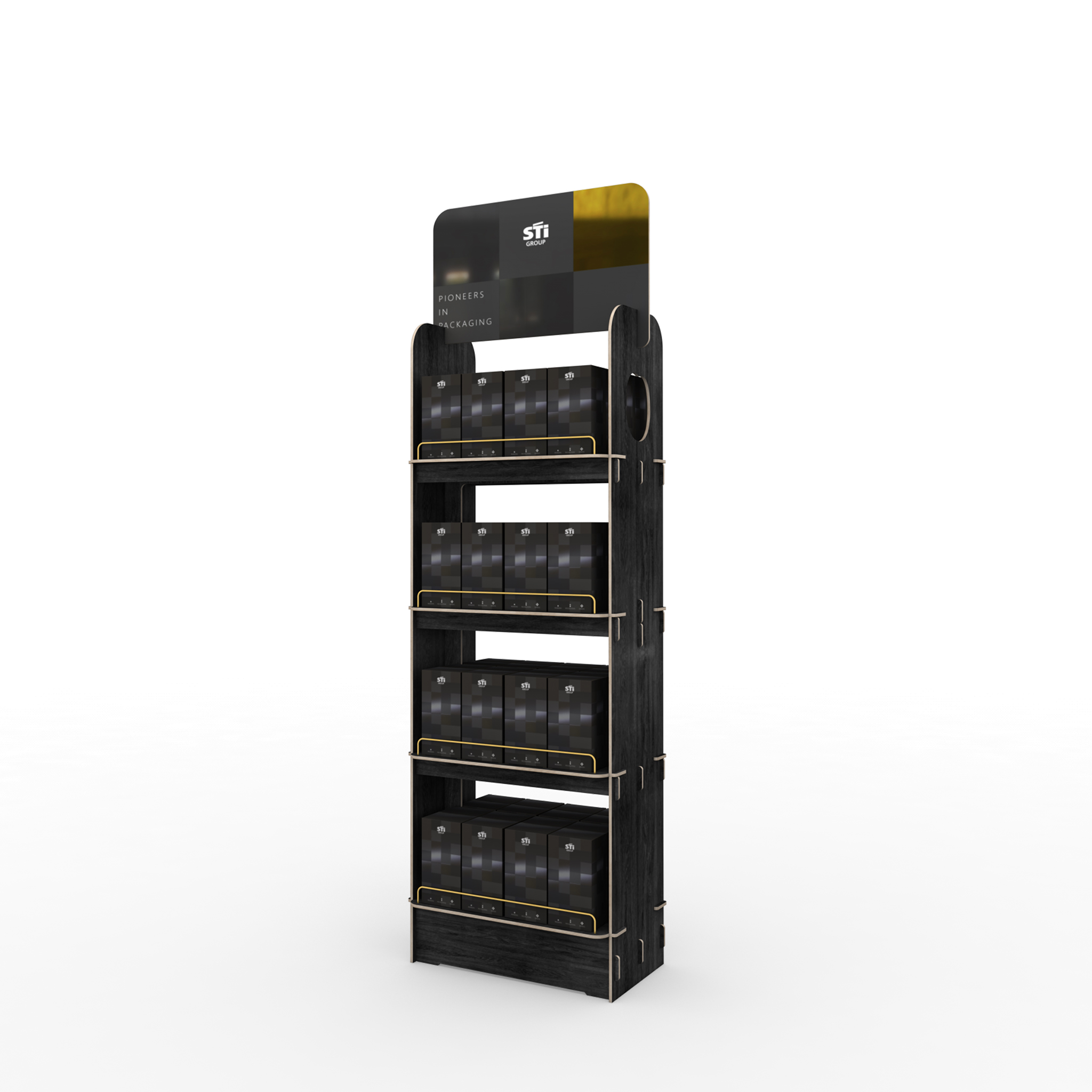
Long-term display
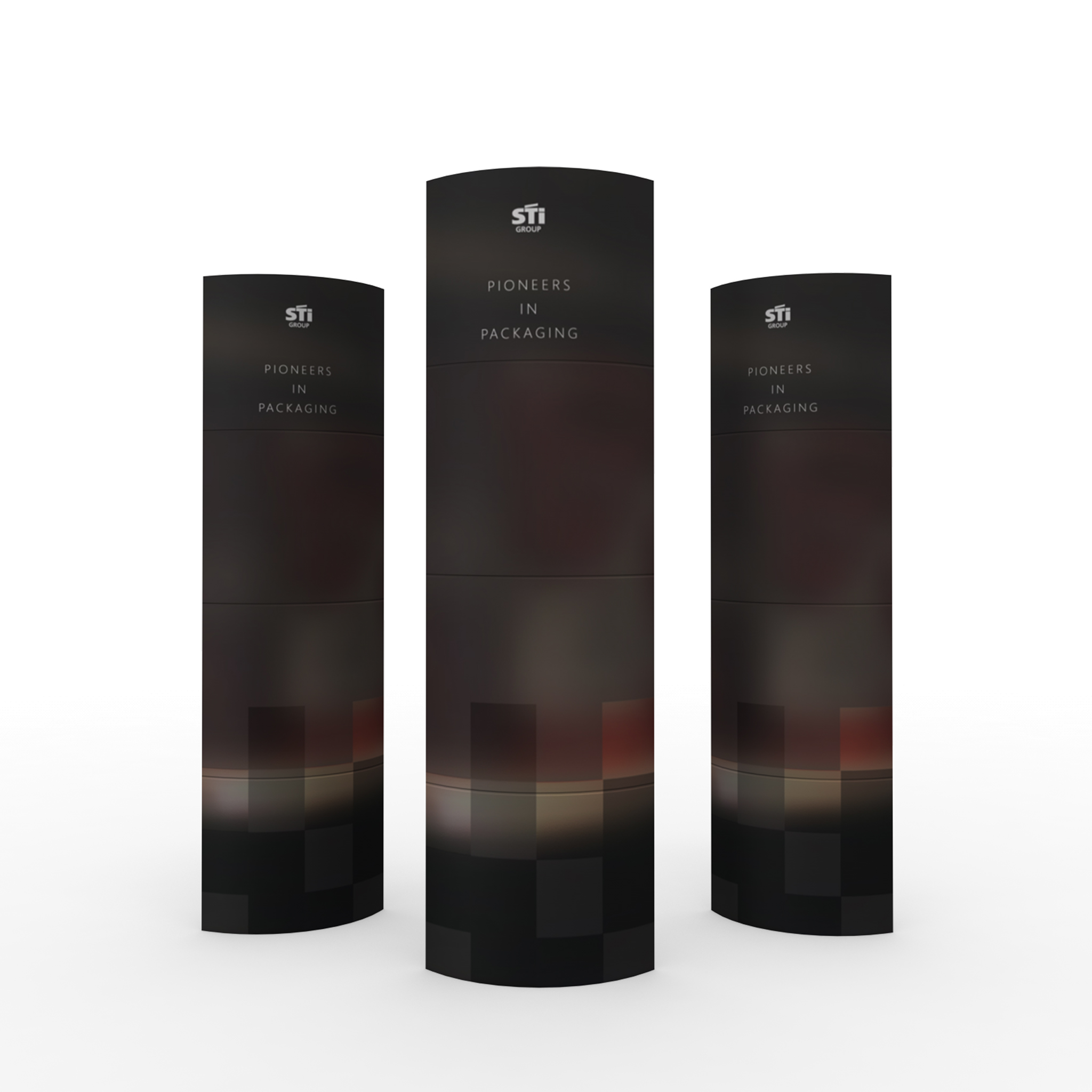
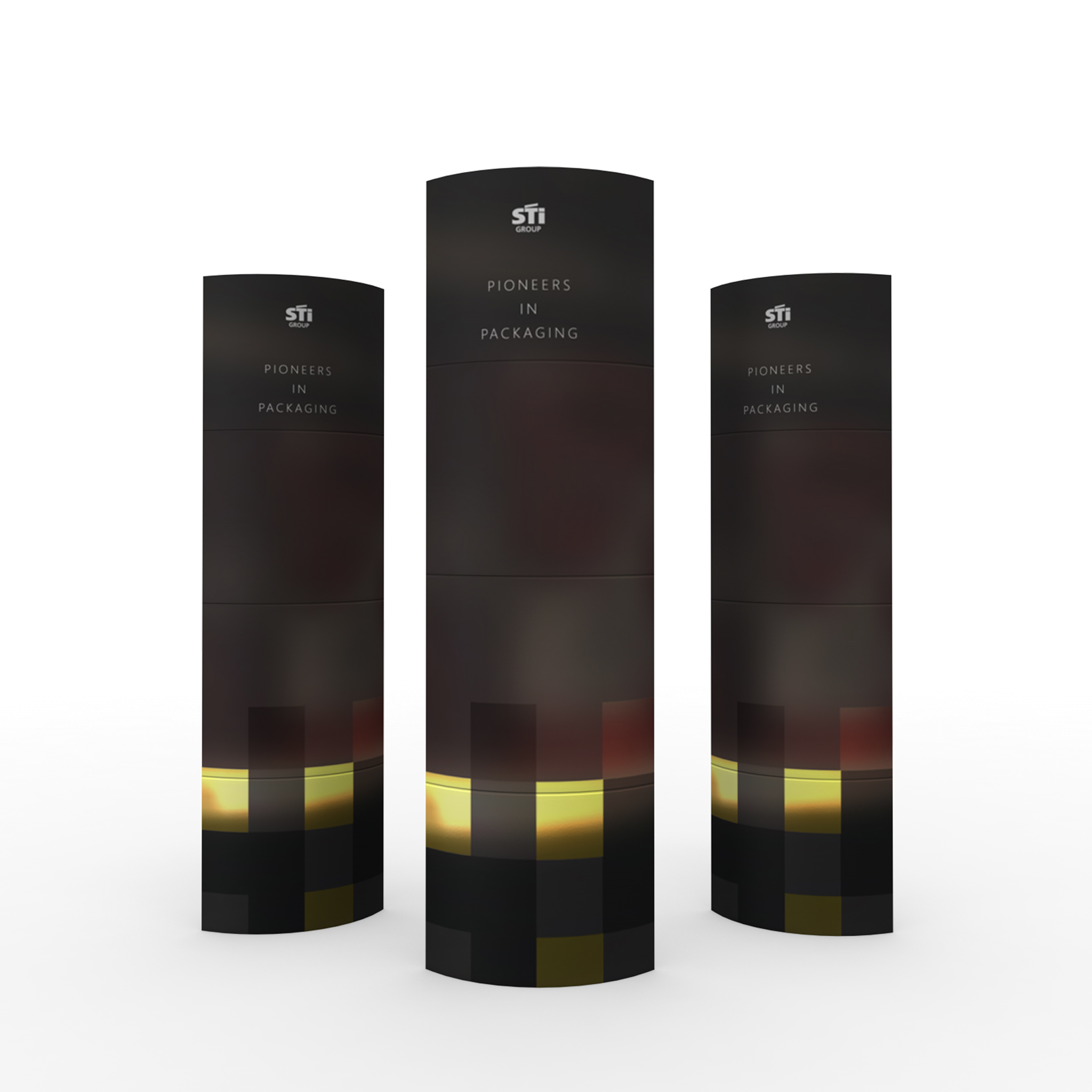
POS displays
Food packaging that complies with the law
Food packaging must meet stringent requirements regarding product safety, consumer protection and material compliance. Key European regulations include Regulations (EC) No 1935/2004 and No 2023/2006, as well as the German Food and Feed Act (LFGB). These define the requirements for materials that come into contact with food and ensure that packaging does not transfer any substances harmful to health to food.
With the right packaging solution, you can reliably meet regulatory requirements and build trust amongst retailers, brand partners and consumers.
FAQ
What requirements must food packaging meet?
The requirements depend on the foodstuff and its intended use. Key factors include product protection, hygiene, potential food contact, barrier properties, temperature, storage life and transport route. Added to this are machine compatibility, recyclability, material usage and the requirements of the retail sector. For this reason, every type of packaging should be developed and tested for its specific application.
What needs to be taken into account with regard to packaging that comes into direct contact with food?
Materials, paints, varnishes and adhesives must be suitable for the intended contact. This depends, for example, on whether the food is dry, moist or greasy, how long the contact lasts and the temperatures to which the packaging is exposed. The STI Group works with site-specific hygiene protocols and uses inks and varnishes that pose no risk of migration. Where required, food safety tests can be carried out by accredited institutes.
What hygiene certifications does the STI Group hold for food packaging?
The production sites hold various certifications for hygiene management and food safety. These include FSSC 22000 in Lauterbach, BRC IoP at the Petöfi site, and DIN EN 15593:2008 in Alsfeld and Rumburk. These certifications support the manufacture of packaging for foodstuffs and packaging intended to come into direct contact with food.
When does food packaging need a barrier?
A barrier may be required if the packaging needs to be protected from grease or moisture. Typical applications include takeaway products, fresh produce, baked goods, fruit and vegetables, and frozen foods. The choice of barrier always depends on the foodstuff, the packaging material, the duration of contact and the storage conditions.
The STI Group therefore works with the customer to define and test the most suitable combination of material and coating.
Can barrier coatings replace a PE coating?
In suitable applications, water-based barrier coatings can be an alternative to a conventional PE coating. The coating can be applied precisely where a grease or moisture barrier is required. This helps to reduce the amount of plastic used and improve recyclability.
What does ‘lightweight’ mean in the context of food packaging?
‘Lightweight’ means tailoring the amount of material used to the actual performance required of the packaging. This can be achieved by using lighter grades of paper and board, finer corrugated profiles or an optimised design.
The aim is not to produce the lightest possible packaging, but to find a solution that ensures product protection, stability, workability and logistics whilst using as little material as possible. The STI Group’s new lamination technology processes lightweight materials and fine F- and G-flutes, whilst also enabling the implementation of barrier solutions.
What are the legal requirements for food packaging?
Food packaging is subject to strict legal requirements in Germany and across Europe. The aim is to ensure consumer safety and to prevent the migration of undesirable substances into food.
The most important sets of regulations include:
- Regulation (EC) No 1935/2004 on materials and articles intended to come into contact with food
- Regulation (EC) No 2023/2006 on Good Manufacturing Practice (GMP)
- The Food, Consumer Goods and Animal Feed Code (LFGB) as the key national legal basis
What types of food packaging does the STI Group offer?
The STI Group develops and manufactures folding boxes, cardboard and corrugated cardboard packaging, trays, shelf-ready packaging, inlays, transport packaging and POS solutions for a range of food applications.
Which foods are suitable for packaging made from cardboard or corrugated cardboard?
Suitability depends, amongst other things, on moisture content, fat content, temperature, contact time, storage, transport and direct or indirect contact with food. Each solution is therefore tailored to the specific application. In general, fibre-based packaging is used across all food sectors.
Contact
YOUR FOOD PACKAGING. OUR EXPERTISE.
Whether it’s packaging designed to protect the product, material-efficient design, shelf-ready packaging or eye-catching POS solutions – we develop packaging concepts that combine functionality, efficiency and brand impact.
Do you have a specific challenge relating to your food product? Talk to our packaging experts about your project.
 Deutsch
 English (UK)
 Français
 Magyar
 Čeština