
Pharmaceuticals & Medical Devices
Pharmaceutical packaging
Packaging and POS solutions for the pharmaceutical, medtech and diagnostics sectors

From pharmaceutical folding cartons to modular packaging systems, serialised labelling solutions, labels and corrugated cardboard packaging: The STI Group develops and manufactures fibre-based packaging solutions for pharmaceutical, healthcare, diagnostics and medtech applications. The focus is on product protection, traceability, process reliability and a reliable supply. High-quality POS displays for pharmacies and chemists’ shops round off our range of services.
Background
Pharmaceutical packaging is under pressure
Nowadays, packaging decisions have an impact on far more than just material costs.
Typical challenges
- Regulatory requirements for labelling and traceability
- High standards for code quality and readability
- Protection against tampering and counterfeiting
- Reliable and reproducible packaging processes
- Security of supply across complex supply chains
- Growing demands for sustainable packaging solutions
Pharmaceutical companies therefore need packaging solutions that combine safety, compliance and process stability.
Solution
Packaging as an integral part of a secure pharmaceutical supply chain

Product safety
Packaging helps to protect sensitive medicinal products, medtech and diagnostic products, and supports measures to prevent tampering and counterfeiting.

Code security
Integration of GS1 DataMatrix, UDI and other international coding systems, with a focus on readability and reliable processing.

Process reliability
Defined quality controls, documented processes and reproducible production procedures help to ensure consistent packaging processes.

Security of supply
Multiple production sites and contingency plans help to safeguard critical supply chains.
Safe packaging. Reliable codes. A stable supply.
- Fibre-based packaging, labels and corrugated cardboard solutions, all from a single source.
- GMP-compliant procedures, defined control plans, inspection systems and documented approval processes
- Security of supply: Multiple production sites, scalable capacity and backup systems help to ensure a stable supply for critical supply chains.
- Expertise in GS1 DataMatrix, UDI and international coding systems.
- Pharmaceutical packaging expertise for diagnostics, medtech and healthcare applications.
QUALITY
- In-house laboratory testing
- External compliance tests
- Documented quality gates
- 100 % controlled processes
- Traceable documentation and approvals
- Developed for regulated pharmaceutical markets
Whether it’s Braille, serialisation, GS1 DataMatrix, China Code or Russian Code: packaging must reliably meet regulatory requirements whilst remaining efficient to produce. The STI Group supports the integration of labelling, artwork and codes right from the development phase.
SAFETY
- Tamper Evidence, Product Protection, Brand Protection
- Quality
- Laboratory, code grades, quality gates, documented processes
- Regulatory competence
- Braille, GS1, FMD, UDI, international coding systems
- Security of supply: multi-site production and scalable capacity
Pharma Box
What unites us. What drives us.

Product protection, anti-counterfeiting measures and traceability are particularly important for pharmaceutical manufacturers. Request your demo box now and discover how smart packaging protects products, provides digital information and which technologies ensure protection against counterfeiting.
References
Discover a selection of the STI Group’s client case studies and find out how individual requirements are transformed into concrete packaging solutions that deliver measurable added value.
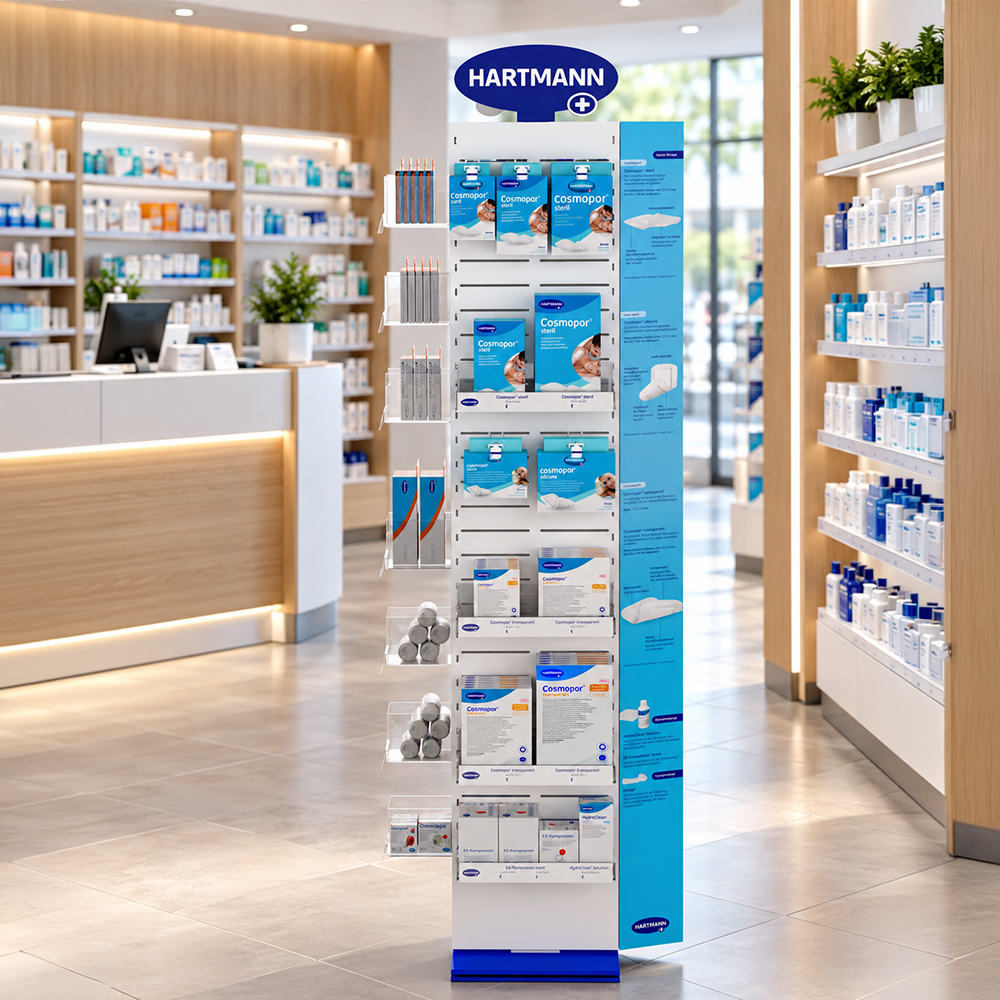
Reliable automated production of pharmaceutical folding cartons

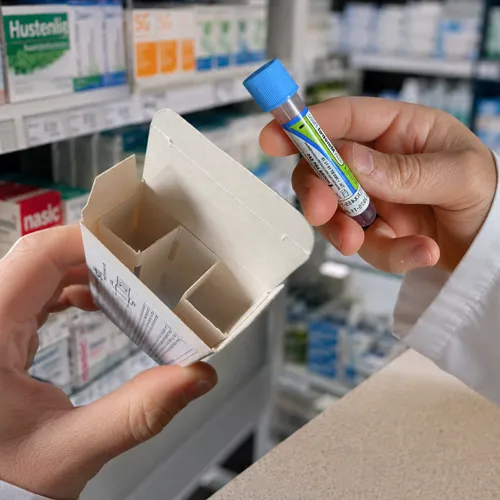
Pharmaceutical packaging with modular inserts
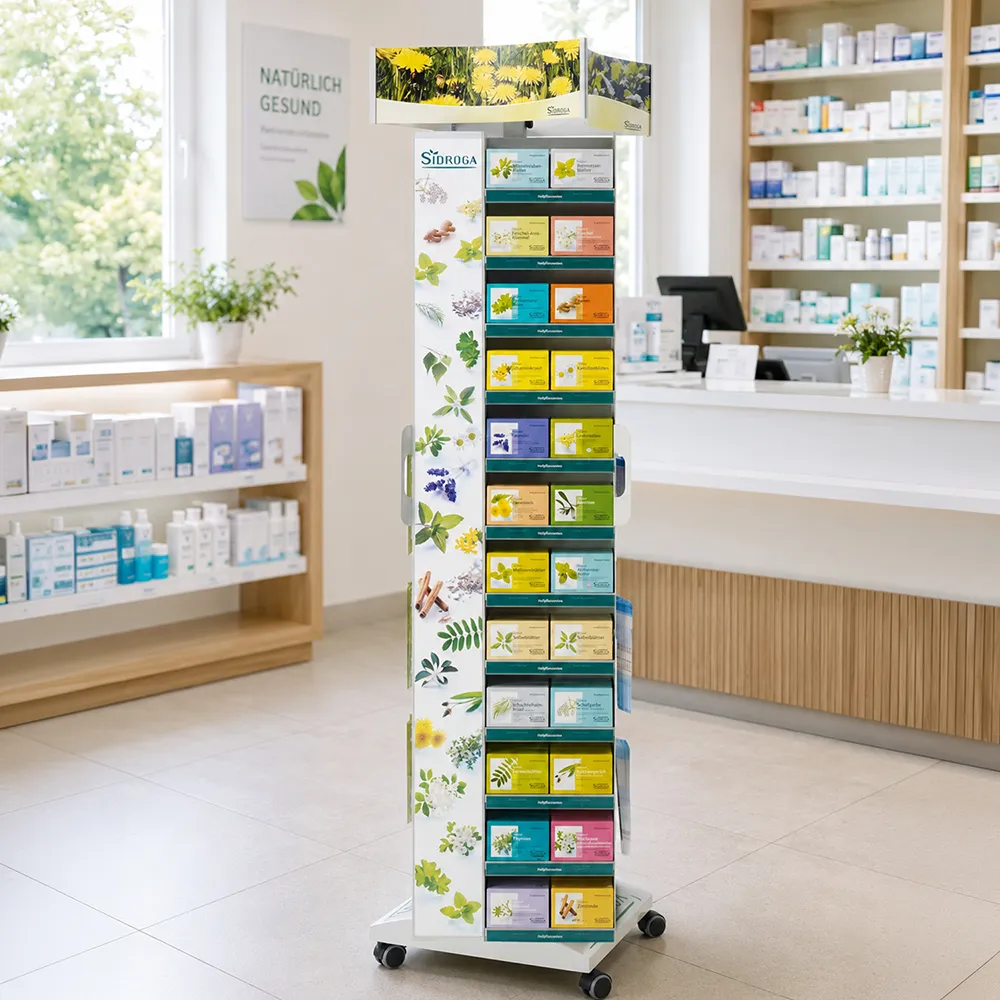
POS display for pharmacies with 360° service
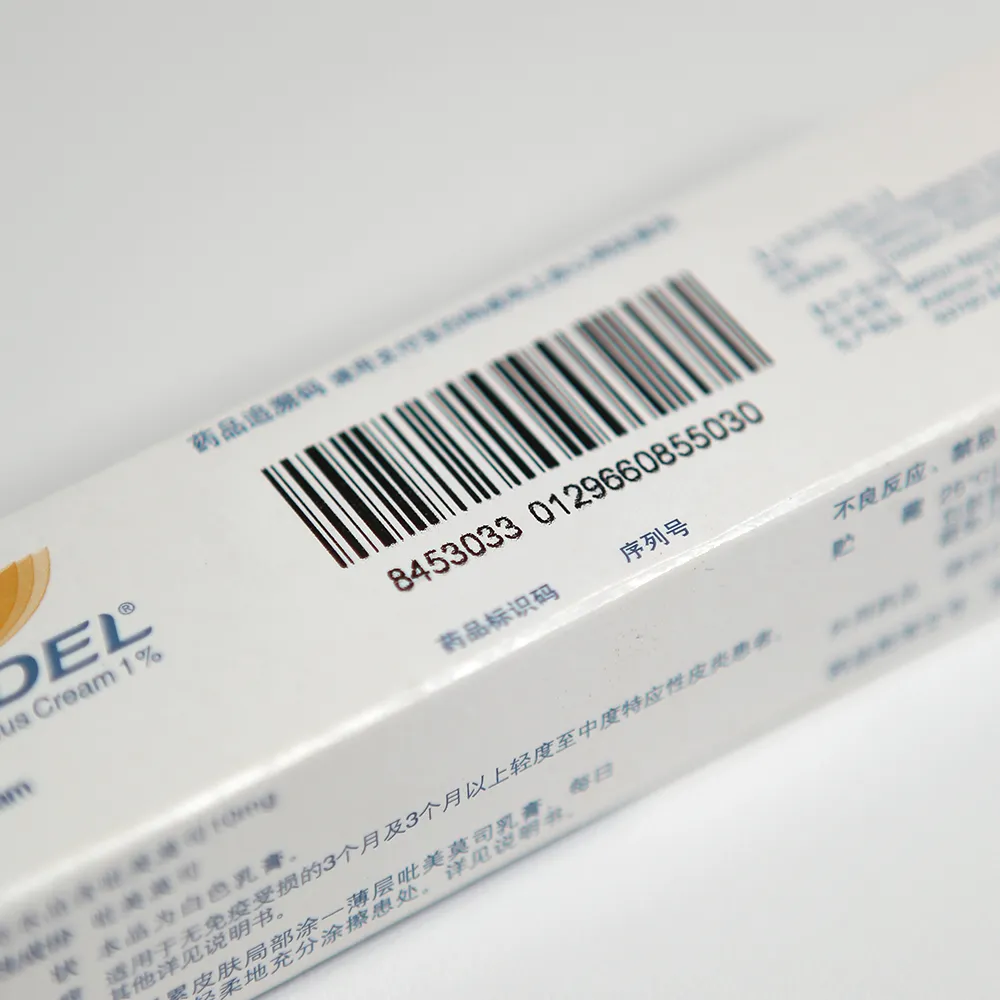
Pharmaceutical packaging with serialised country codes
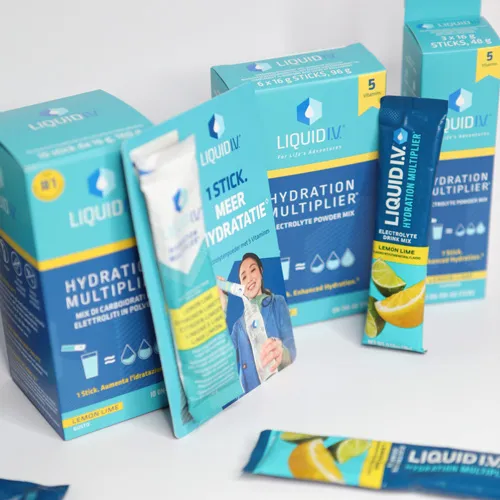
Omnichannel packaging for a strong brand presence
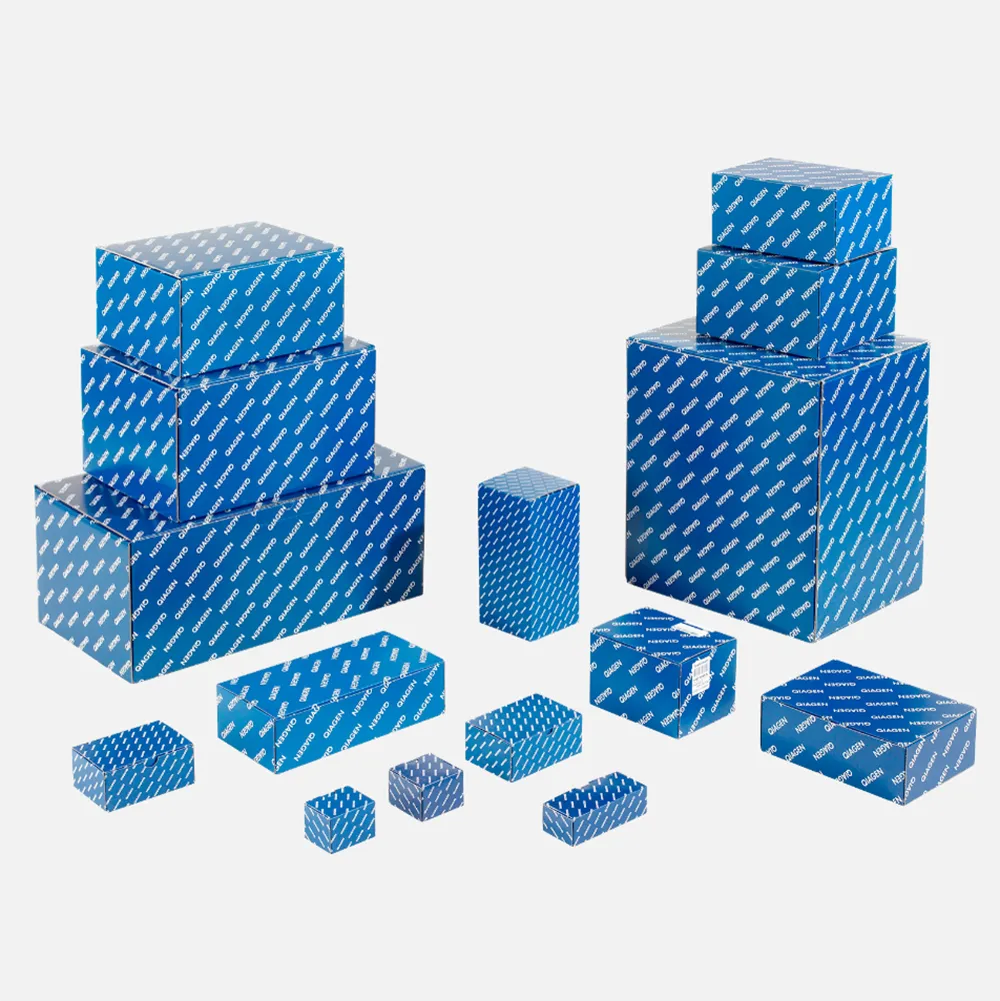
Packaging automation for 16 formats reduces costs and set-up time
Visibility at the point of sale
POS solutions for clear product presentation in pharmacies and healthcare retail outlets

Particularly in the case of over-the-counter, diagnostic and healthcare products, the role of packaging does not end with safe delivery. In pharmacies, chemists and healthcare retail outlets, products must be presented in a way that is visible, clear and appropriate to the context of use.
To this end, we offer bespoke POS solutions – ranging from counter displays for open-shelf and self-selection products, through floor-standing displays, to shop window displays and long-term displays.
What is the difference between self-service and display-shelf products in a chemist’s?
For manufacturers and brands, this distinction is important, as the requirements for packaging, display design and point-of-sale communication vary depending on the placement area.
Free-choice products
Self-service products are located in the freely accessible sales area of the pharmacy. Customers can select these products themselves. Typical examples include dietary supplements, vitamins, cosmetics and seasonal health products.

Products on display
Products on display are presented behind the counter. The products are visible but are usually handed over by pharmacy staff as part of the consultation. This placement helps to ensure the products are visible within a consultation-oriented environment.
What should I bear in mind when designing pharmacy displays?
A pharmacy display should increase the visibility of the products whilst taking into account the requirements of the pharmacy environment.
Key criteria include:
- Clear and well-organised product presentation
- High visibility in the open-selection or display-selection area
- Space-saving integration into existing pharmacy concepts
- Easy to fill and use
- Design tailored to the brand and product
- Sustainable and recyclable materials
- Adaptation to seasonal promotions or product focuses
Depending on the product category, open-shelf displays can be designed to encourage impulse buys and quick browsing, whilst open-view solutions support sales advice and brand perception at the sales counter.
Request a demo box
YOUR PHARMACEUTICAL PACKAGING. OUR EXPERTISE.
Whether it’s secure pharmaceutical packaging, optimised design, effective anti-counterfeiting measures or eye-catching point-of-sale solutions – we develop packaging concepts that combine regulatory requirements, functionality and brand impact.
Do you have a specific challenge in the pharmaceutical or healthcare sector? Talk to our packaging experts about your project.
PROVEN QUALITY
Certified management systems and standards support safe, controlled and responsible packaging processes.
FAQ
What are the requirements for pharmaceutical packaging?
Pharmaceutical packaging must combine product protection, labelling, traceability and quality requirements. Depending on the market, additional requirements such as Braille, serialisation or country-specific coding systems may also apply.
How does the serialisation of pharmaceutical packaging work?
Serialisation involves applying unique codes to packaging so that products can be clearly identified and traced throughout the supply chain.
What security features can pharmaceutical packaging incorporate?
Possible security features include tamper-evident solutions, security labels, holograms, visible and invisible codes, and other measures to protect against tampering and counterfeiting.
How is the quality of pharmaceutical packaging tested?
Quality checks are carried out before, during and after production. These include material checks, process monitoring, Braille checks, code readability checks and the approval of finished products.
What packaging solutions are available for medical technology products?
Depending on the product, folding boxes, inlays, labels or transport packaging may be used. The design is adapted to the product, handling requirements and packaging process.
What types of pharmaceutical packaging does the STI Group produce?
The STI Group develops fibre-based secondary packaging, folding cartons, inlays, labels, as well as corrugated cardboard and shipping solutions for pharmaceuticals, medical technology, diagnostics and healthcare applications.
What tamper-evident solutions are available for folding cartons?
Options include structural first-opening solutions, tear-off tabs, fully adhesive closures, as well as security and void labels. The most suitable solution depends on the product, packaging, production line and market requirements.
What does serialisation mean in the context of pharmaceutical packaging?
During serialisation, each individual package is assigned a unique identifier. In the EU, the unique identifier includes, amongst other things, the product code, serial number, batch number and expiry date, and is encoded in a two-dimensional Data Matrix code.
Can a digital code replace the printed patient information leaflet?
In the case of medicines for human use, mobile scanning is currently, in principle, a supplementary channel; it does not generally replace the printed patient information leaflet required by law. Electronic product information must be assessed for regulatory compliance on a project- and market-specific basis.
 Deutsch
 English (UK)
 Français
 Magyar
 Čeština